
Introduction: A Global Reminder for a Healthier Smile
As World Oral Health Day approaches on March 20, we can use it as a practical checkpoint to reassess our daily oral hygiene and its measurable impact on overall health and self-confidence. This global health reminder keeps the focus on prevention: consistent brushing with fluoride, interdental cleaning, and limiting sugary exposures to reduce caries and gum inflammation. When we track bleeding, sensitivity, and breath changes, we gain actionable data, not guesses, and we protect smile confidence over time. We also benefit from dental education that explains risk factors, techniques, and the role of professional exams in early detection. Here in Ellsworth, we can partner with Central Kansas Dentistry and Dr. Kurt Williams for evidence-based preventive measures and personalized plans that turn small daily habits into durable, long-term results.
What Is World Oral Health Day and Why It Matters
World Oral Health Day serves as a global checkpoint that unites public health groups, clinicians, and communities around one evidence-based goal: prevent oral disease before it starts. These Global initiatives focus on practical standards, risk assessment, daily home care, and routine professional exams, so we can reduce avoidable decay and gum disease.
It matters because Oral health awareness changes behavior when it’s paired with Preventive education: brushing with fluoride, interdental cleaning, diet counseling, and timely treatment of early lesions. We also can’t ignore Health equity; prevention works only when people can access clear guidance and consistent care. That’s where Community engagement becomes local action. In Ellsworth, we can support you with individualized plans, gentle visits, and up-to-date options that protect function and comfort over time, visit by visit.
The Connection Between Oral Health and Overall Health
Although oral health can feel separate from “medical” health, the mouth often reflects and influences what happens throughout the body. When gum disease develops, inflamed tissues can allow oral bacteria to enter the bloodstream. That exposure may amplify systemic inflammation, which researchers associate with higher risk and poorer control of conditions like cardiovascular disease and diabetes. These health connections don’t mean dentistry replaces medical care, but they show why infection control matters. Routine dental care helps us detect early gingival bleeding, pocketing, and bone loss before they progress, and it supports safer outcomes for medical treatment overall. We’ll focus on preventive measures with individualized exams, cleanings, and evidence-based risk assessment, so we can reduce bacterial burden and protect long-term wellness for you.
Daily Habits That Protect Your Smile
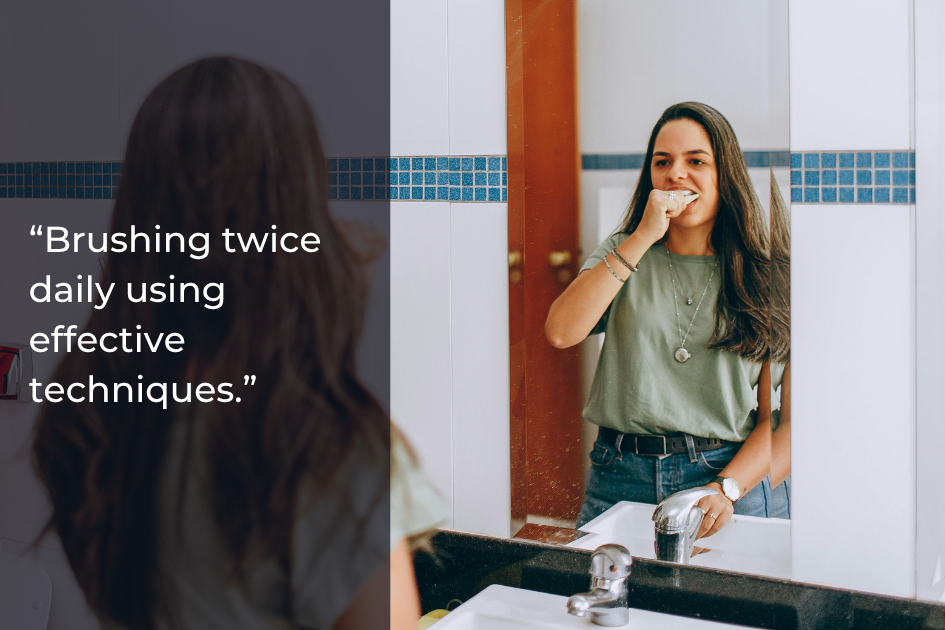
Protect your smile by building simple, repeatable routines we can measure and maintain. Our Daily Routine starts with brushing twice daily using Effective Techniques: a soft brush, a 45-degree angle at the gumline, gentle pressure, and two full minutes. We’ll use fluoride toothpaste to strengthen enamel and reduce decay risk, supporting reliable Smile Protection.
Next, we’ll floss once a day to disrupt plaque between teeth where brushes can’t reach. That step lowers inflammation and helps prevent interdental cavities, a core Oral Hygiene goal. If we miss a session, we won’t chase perfection; we’ll return to consistency, because Healthy Habits work best when they’re sustained. Track timing, not intensity, and keep supplies visible to reinforce adherence.
Common Mistakes Patients Make at Home
Even when we brush and rinse every day, a few common at-home missteps can quietly undermine oral health. Brushing too hard abrades enamel and irritates gums; we’ll do better with gentle pressure, a soft brush, and two minutes at the right brushing frequency. Skipping interdental cleaning lets plaque persist where bristles can’t reach, so we should refine flossing techniques and focus on consistent plaque removal along the gumline. We also need to challenge dental myths, mouthwash doesn’t “replace” flossing, while still using mouthwash benefits appropriately, such as reducing bacterial load after brushing. Finally, if we ignore early warning signs like bleeding, sensitivity, or bad breath, we delay care. And when we wait too long between dental visits, small problems can progress silently.
Nutrition Tips for Strong Teeth and Healthy Gums
Because what we eat and drink directly affects the oral microbiome, enamel remineralization, and gum inflammation, we can strengthen teeth and support healthier gums by choosing nutrient-dense foods, limiting frequent sugar and acidic beverages, and staying well hydrated. Small diet changes add up when we pair nutrient-rich foods with smarter timing and fewer exposures. For gum health, we’ll prioritize fiber and omega-3 sources, and we’ll swap sticky sweets for sugar alternatives that don’t feed acid-producing bacteria. We’ll also improve snack choices by keeping eating episodes discrete, then rinsing with water. Finally, we’ll respect hydration benefits: saliva buffers acids, delivers minerals, and supports tissue repair.
- Build meals around dairy, leafy greens, nuts, and lean proteins.
- Choose water or milk; limit soda, juice, and frequent sipping.
- Use xylitol gum, cheese, or crunchy produce between meals.
Preventive Care: Why Regular Checkups Matter
When we keep routine dental checkups on the calendar, we combine professional cleanings with thorough exams that remove hardened plaque, document changes in the teeth and gums, and catch problems early, often before they cause pain or require complex treatment. These routine assessments support preventive strategies by measuring gum health, checking restorations, and screening for decay and wear. We’ll also review your oral hygiene habits and adjust home care to reduce bacterial load between visits. At Central Kansas Dentistry, Dr. Kurt Williams tailors recommendations to your risk factors, including dry mouth, past cavities, and bite stress. This early intervention helps us use conservative options sooner and prevent escalation into larger fillings, root canals, or extractions later. Consistent patient education keeps goals clear and progress trackable.
When to Seek Professional Dental Care
How do we determine it’s time to call the dentist instead of “watching it for a bit”? We use a simple rule: persistent or worsening oral symptoms deserve evaluation, because delays let the disease progress. Pain, bleeding gums, sensitivity, or bad breath can signal decay, infection, or gum inflammation, and early intervention usually means simpler treatment options and better outcomes. Seek care promptly for dental emergencies, especially swelling, trauma, or uncontrolled bleeding. We’ll also use visits for patient education so you can recognize warning signs and apply prevention strategies at home.
- Pain that lasts >24–48 hours or wakes you up
- Gum bleeding, recession, or bad breath that doesn’t improve with brushing/flossing
- Sensitivity to hot/cold or biting pressure, or any swelling or fever
Advanced Care Options for Long-Term Smile Health
Even if daily brushing and regular cleanings keep disease risk low, some smiles need advanced restorative care to stay stable, functional, and comfortable long term. We start with a restorative procedures overview to identify structural loss, bite instability, and missing teeth that raise fracture and gum risk.
Our advanced treatment options include dental implants, crowns and bridges, and full mouth reconstruction. Implants replace roots to preserve bone and support chewing forces; crowns and bridges restore strength and seal vulnerable tooth structure; reconstruction coordinates occlusion, esthetics, and function when multiple teeth fail. Dr. Kurt Williams is a proven problem-solver, delivering complex case solutions with innovative dental techniques and careful sequencing.
We’ll also outline long-term care strategies, maintenance intervals, night-guard protection, and risk-based monitoring, so your restoration lasts predictably.
Creating a Sustainable Oral Health Routine
Because consistency matters more than intensity, we’ll build a simple oral health routine that fits your actual day and lowers disease risk over time. Sustainable practices work when they’re easy, repeatable, and tied to existing cues, not willpower. We’ll use habit formation and daily reminders to protect enamel, control plaque, and reduce gingival inflammation with reliable oral hygiene.
- Anchor brushing and interdental cleaning to fixed moments (wake-up, after dinner) for lifestyle integration; keep supplies visible.
- Use daily reminders: phone alarms, calendar prompts, or a checklist until behavior becomes automatic; track missed sessions without judgment.
- Simplify choices: fluoride toothpaste, a soft brush, and floss or interdental brushes; pack a travel kit to prevent lapses.
We’ll review your routine at regular dental visits and adjust for risk.
Conclusion: Small Habits, Lifelong Results
World Oral Health Day reminds us that prevention works. Nearly 3.5 billion people worldwide live with oral disease, yet most cases are avoidable with consistent home care and timely dental visits. If we brush twice daily with fluoride toothpaste, floss, or use interdental cleaners, and limit frequent sugar exposure, we lower our risk fast. Let’s schedule regular checkups, address bleeding or pain early, and build routines we can sustain, because a healthier mouth supports whole-body health.
Take action today: book your next dental checkup and commit to one small daily habit (like flossing each night) to protect your smile.